🧠 Introduction: Why Stroke Awareness in June Matters
Every year, millions of people around the world suffer from strokes, making it one of the leading causes of death and long-term disability. In India alone, the incidence of stroke has been rising rapidly due to lifestyle changes, poor diet, high stress, and an aging population.
As we observe June as Brain Health Awareness Month, it's the perfect time to shed light on the signs, causes, treatment, and prevention of brain stroke, especially from a neurosurgical perspective.
Whether you or a loved one are at risk—or you simply want to be prepared—understanding stroke can save lives.
🚨 What is a Brain Stroke?
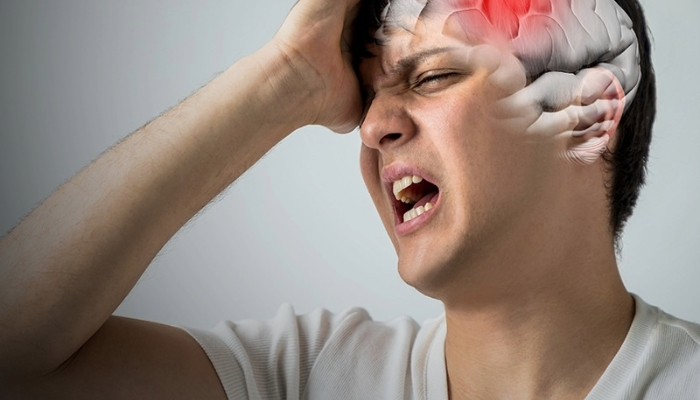
A stroke occurs when the blood supply to a part of the brain is interrupted or reduced, preventing brain tissue from getting the oxygen and nutrients it needs. Brain cells begin to die within minutes.
There are two main types of stroke:
- Ischemic Stroke
This is the most common type, accounting for 85% of all strokes. It happens when a blood clot blocks a vessel carrying blood to the brain.
- Hemorrhagic Stroke
Occurs when a weakened blood vessel bursts, causing bleeding in or around the brain. It is often linked to high blood pressure or trauma.
- Transient Ischemic Attack (TIA)
Often called a mini-stroke, this is a temporary blockage that resolves on its own. However, it's a major warning sign of a future full-blown stroke.
⚠️ Early Warning Signs of Stroke: Act F.A.S.T
Quick action is critical during a stroke. Use the F.A.S.T. method:
- F – Face drooping
- A – Arm weakness
- S – Speech difficulty
- T – Time to call emergency services
Other symptoms include:
- Sudden numbness or weakness (especially on one side of the body)
- Sudden confusion or trouble speaking
- Blurred or double vision
- Loss of balance or coordination
- Severe headache with no known cause
🩺 What Causes Stroke? Understanding the Risk Factors
Some stroke risk factors are non-modifiable (like age and genetics), while others can be controlled or managed with lifestyle changes and medication.
Modifiable Risk Factors:
- High blood pressure – #1 cause of both ischemic and hemorrhagic strokes
- Diabetes
- High cholesterol
- Smoking and tobacco use
- Excessive alcohol consumption
- Obesity and sedentary lifestyle
- Irregular heartbeats (Atrial fibrillation)
Non-Modifiable Risk Factors:
- Age over 55
- Male gender (though risk increases in post-menopausal women)
- Family history of stroke
- Prior stroke or TIA
🧪 Diagnosis: How Is Stroke Identified?
When a stroke is suspected, time is brain. Immediate evaluation at a stroke-ready hospital is essential.
Common Diagnostic Tests:
- CT Scan / MRI – to determine stroke type and location
- Carotid Doppler – to check for narrowing of arteries
- Echocardiogram & ECG – to identify heart-related sources
- Blood Tests – including clotting time, cholesterol, and sugar levels
🧠 Role of a Neurosurgeon in Stroke Management
While early strokes are often managed by physicians and neurologists, neurosurgeons play a critical role in the following scenarios:
- Hemorrhagic Stroke or Brain Bleeds
Neurosurgical intervention may be needed to remove clots, repair ruptured vessels, or relieve pressure inside the skull.
- Aneurysm or Arteriovenous Malformation (AVM)
If the stroke is caused by a ruptured aneurysm or AVM, surgical clipping or endovascular coiling may be performed.
- Decompressive Craniectomy
In cases of major swelling (malignant stroke), part of the skull may be temporarily removed to prevent brain herniation.
- Carotid Endarterectomy or Stenting
To prevent future strokes, blocked neck arteries may be cleared surgically.
Dr. Sandeep B.V., a top brain and spine neurosurgeon in Bengaluru, specializes in stroke-related neurosurgical interventions, offering both minimally invasive and complex open procedures.
💊 Stroke Treatment: Time is Brain
For Ischemic Stroke:
- Thrombolysis (clot-busting injection) within 4.5 hours of onset
- Mechanical thrombectomy (clot removal through catheter) up to 24 hours in select cases
For Hemorrhagic Stroke:
- Blood pressure control
- Surgical intervention if needed
- Neuro ICU monitoring
🧘♂ Stroke Recovery and Rehabilitation
Surviving a stroke is just the beginning. A comprehensive rehabilitation plan is needed to regain independence:
- Physical therapy – for movement and strength
- Speech therapy – to restore communication
- Occupational therapy – to regain everyday skills
- Psychological counseling – for emotional support
Dr. Sandeep’s integrated care team ensures personalized recovery strategies for every patient.
✅ How to Prevent Stroke: Take Control Today
- Control Blood Pressure
Check your BP regularly and take prescribed medications.
- Quit Smoking
Tobacco thickens blood and damages vessels—quit now.
- Eat a Brain-Healthy Diet
Include more leafy greens, berries, nuts, whole grains, and omega-3 fatty acids.
- Stay Active
Aim for at least 30 minutes of physical activity 5 days a week.
- Manage Diabetes & Cholesterol
Regular blood sugar and lipid profile tests are crucial.
- Get Regular Health Checkups
Early detection of heart disease or carotid artery disease can prevent stroke.
👨⚕ When to Consult a Neurosurgeon?
Consult a brain specialist like Dr. Sandeep B.V., when:
- You or a family member have had a TIA or minor stroke
- There’s a history of brain aneurysm or AVM
- Imaging shows brain swelling or bleeding
- Preventive neurosurgery is recommended by a neurologist
🔍 June 2025 Focus: Raising Stroke Awareness
In June, we join hands with healthcare providers, caregivers, and families to spread awareness on early stroke symptoms, lifestyle changes, and emergency response.
🗣️ Remember: Every second counts. Acting F.A.S.T. can save a brain—and a life.
📞 Book an Appointment with Dr. Sandeep B.V.
If you or a loved one is recovering from stroke, or at risk of brain bleeds or aneurysms, consult Dr. Sandeep B.V., one of Bengaluru’s most trusted neurosurgeons. Early diagnosis, expert care, and precision treatment can change the outcome completely.
👉 Visit Website
📍 Located in Bengaluru | 🕐 Timely appointments | 💬 Patient-centered care