Contact Dr. Sandeep B.V., Leading Neuro and Spine Specialist in Bangalore
Traumatic Brain Injury (TBI) is a serious and potentially life-altering condition that results from an external force or trauma to the head. TBI can occur due to various incidents, such as falls, accidents, sports injuries, or violence, and the consequences can range from mild concussions to severe brain damage. Early diagnosis, proper treatment, and rehabilitation are critical in managing TBI and improving the chances of recovery.
In this blog, we’ll delve into what TBI is, its causes, symptoms, treatment options, and the role of a skilled neuro specialist like Dr. Sandeep B.V., one of the best neuro and spine specialists in Bangalore, in treating this condition.
What is Traumatic Brain Injury (TBI)?
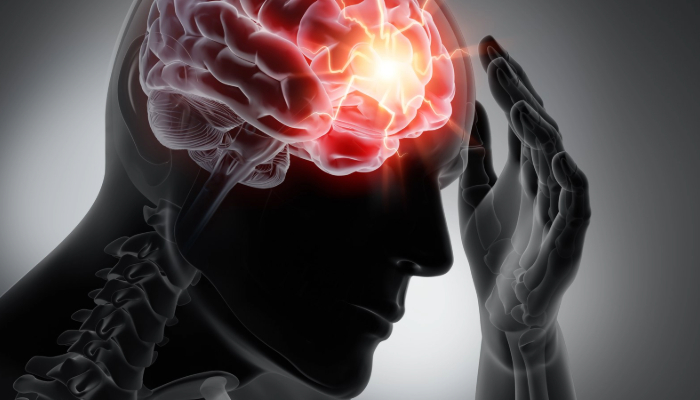
TBI occurs when an external force impacts the brain, leading to damage that can affect brain function. The brain is a delicate organ that relies on the skull for protection, and any trauma, whether a blow, jolt, or penetrating injury, can result in TBI. The severity of TBI is classified into three categories: mild, moderate, and severe.
- Mild TBI (Concussion)
A concussion is the most common form of mild TBI. It usually occurs after a blow to the head or a jolt that causes temporary changes in brain function. Although most people with a concussion recover with rest and appropriate care, the symptoms can still disrupt daily life.
- Moderate TBI
Moderate TBI is characterized by longer-lasting symptoms, including confusion, dizziness, and difficulty concentrating. The person may lose consciousness for a few minutes to several hours, and the effects can persist for days or weeks.
- Severe TBI
Severe TBI involves significant injury to the brain that can lead to permanent damage, disability, or even death. The person may experience a loss of consciousness for an extended period, along with memory problems, difficulty speaking, or motor impairments. Severe TBI often requires immediate medical attention, surgery, and intensive rehabilitation.
Common Causes of Traumatic Brain Injury (TBI)
TBI can happen to anyone, and several incidents can lead to brain injuries. Some common causes include:
- Falls: One of the leading causes of TBI, especially in older adults and children.
- Motor Vehicle Accidents: Car crashes, bike accidents, and pedestrian incidents are common causes of TBI.
- Sports Injuries: High-contact sports like football, soccer, and hockey often lead to concussions and other brain injuries.
- Violence or Abuse: Physical assaults, gunshots, or domestic violence can lead to traumatic brain injuries.
- Workplace Accidents: Construction, factory, and other high-risk job environments often result in head trauma.
- Recreational Activities: Activities like biking, skiing, or falling from heights can cause head injuries.
Symptoms of Traumatic Brain Injury (TBI)
The symptoms of TBI can vary based on the severity of the injury, but they can be divided into physical, cognitive, and emotional categories. Common symptoms include:
Physical Symptoms
- Headaches or migraines
- Nausea and vomiting
- Dizziness or balance problems
- Sensitivity to light or sound
- Difficulty sleeping or sleeping too much
- Seizures or convulsions
Cognitive Symptoms
- Memory problems
- Difficulty concentrating or thinking clearly
- Confusion or disorientation
- Slow reaction times
- Inability to recall events before or after the injury
Emotional Symptoms
- Irritability or mood swings
- Anxiety or depression
- Feelings of sadness, frustration, or hopelessness
- Social withdrawal
It is essential to seek medical care immediately if any of these symptoms occur following a head injury.
Diagnosing Traumatic Brain Injury (TBI)
If a traumatic brain injury is suspected, your neuro specialist will conduct a thorough evaluation, including:
- Physical Examination: To check for visible injuries, signs of brain dysfunction, and neurological deficits.
- CT Scan or MRI: Imaging tests help identify swelling, bleeding, or structural damage to the brain.
- Glasgow Coma Scale (GCS): A scale used to assess the level of consciousness and neurological function.
- Neuropsychological Testing: Used to evaluate cognitive functions such as memory, attention, and problem-solving.
The severity of the injury and the presence of any complications will guide the treatment plan.
Treatment for Traumatic Brain Injury (TBI)
The treatment of TBI varies based on the severity of the injury and the symptoms. Immediate medical attention is necessary for moderate to severe cases. Here are some common treatments for TBI:
- Emergency Care
In the case of moderate to severe TBI, emergency medical care is required. The primary goal is to stabilize the patient and prevent further damage. This may include measures like oxygen support, IV fluids, and monitoring vital signs.
- Surgery
In severe cases, surgery may be required to repair skull fractures, remove blood clots, or alleviate pressure on the brain. Neurosurgical intervention can be life-saving and essential for improving long-term outcomes.
- Medication
Pain management, anticonvulsants (for seizures), and medications to control swelling or inflammation may be prescribed.
- Rehabilitation
After the initial treatment, a rehabilitation program can help the patient regain lost skills, such as physical therapy for motor function, speech therapy, and cognitive therapy. Long-term rehabilitation is often necessary for individuals with severe TBI to regain independence.
The Role of Dr. Sandeep B.V. in Treating TBI
Dr. Sandeep B.V., a top-rated neuro and spine specialist in Bangalore, has extensive experience in diagnosing and treating traumatic brain injuries. His holistic approach to TBI care includes:
- Early Diagnosis: Dr. Sandeep emphasizes the importance of early intervention and accurate diagnosis using advanced imaging and testing techniques.
- Personalized Treatment Plans: Whether you’re dealing with a mild concussion or severe brain trauma, Dr. Sandeep offers individualized treatment plans tailored to your needs, including medical, surgical, and rehabilitative care.
- Multidisciplinary Approach: TBI recovery often requires a team of specialists, including physiotherapists, neurologists, and occupational therapists. Dr. Sandeep collaborates with a skilled team to ensure comprehensive care.
- Ongoing Support: Recovery from TBI can take time, and Dr. Sandeep offers continuous follow-up and rehabilitation support to ensure optimal outcomes.
Conclusion
Traumatic Brain Injury is a serious condition that can have long-lasting consequences if not properly treated. Understanding the symptoms, causes, and treatment options is vital for managing TBI effectively. With early intervention, medical care, and rehabilitation, individuals with TBI can recover and regain their quality of life.
If you or a loved one is experiencing symptoms of a brain injury, it’s important to consult with an experienced neuro specialist. Contact Dr. Sandeep B.V., one of the best neuro and spine specialists in Bangalore, for expert advice and treatment for traumatic brain injury. Dr. Sandeep will guide you through the recovery process, providing the care and support needed to heal.
Contact Dr. Sandeep B.V. today to schedule a consultation and take the first step toward recovery from TBI.