The lumbar spine bears most of the body’s weight and allows bending and movement. Over time, or due to injury, the intervertebral discs can degenerate or rupture, causing the soft inner portion to protrude outward. This herniated disc may compress nearby spinal nerves, leading to severe lower back pain, radiating leg pain (sciatica), numbness, or muscle weakness.
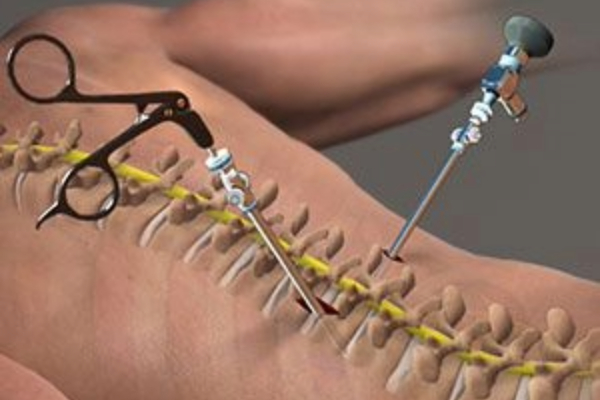
Lumbar Discectomy is a surgical procedure designed to relieve this nerve compression by removing the herniated portion of the disc.
Lumbar discectomy is recommended when:
Through a small incision, the surgeon carefully reaches the affected disc while preserving surrounding muscles. Using magnification and specialized instruments, only the damaged portion of the disc is removed. The nerve root is gently decompressed, restoring normal nerve function while maintaining spinal stability.
Depending on the case, the procedure may be performed using minimally invasive or endoscopic techniques to further reduce tissue trauma.
Most patients notice significant pain relief soon after surgery. Walking is encouraged early, and light activities can be resumed within a few days. A structured rehabilitation plan including posture correction and strengthening exercises helps prevent recurrence and supports long-term spine health.