Expert Care by Dr. Sandeep – Leading Neuro & Spine Surgeon in Bangalore
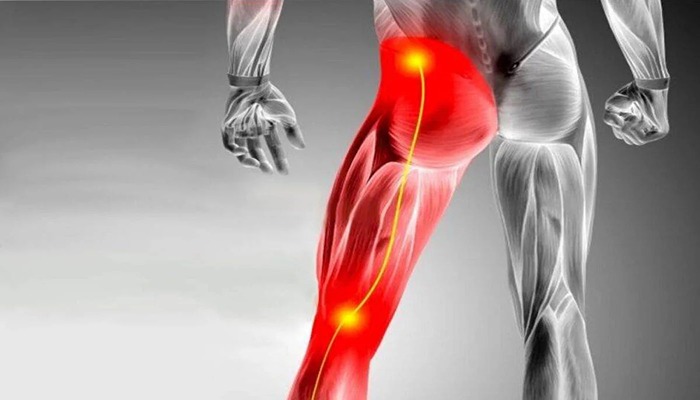
Pain that starts in the lower back and travels down the leg is often dismissed as “normal back pain.” However, this radiating pain could be Sciatica, a condition affecting millions of people across Bangalore, Karnataka, and South India. With increasing sedentary lifestyles, long working hours, and poor posture, sciatica has become one of the most common reasons patients consult a neuro and spine specialist.
Sciatica can significantly limit daily activities, disturb sleep, and affect work productivity if left untreated. The good news is that with early diagnosis and expert spine care, most patients experience significant relief without surgery.
This detailed August blog by Dr. Sandeep, experienced Neuro & Spine Surgeon in Bangalore, explains sciatica in depth — including causes, symptoms, diagnosis, modern treatment options, recovery, and prevention strategies.
Sciatica refers to pain caused by irritation or compression of the sciatic nerve, the longest nerve in the human body. The sciatic nerve originates in the lower spine and travels through the hips, buttocks, and down each leg.
Sciatica is not a disease itself, but a symptom of an underlying spinal condition such as:
The sciatic nerve is formed by nerve roots from L4 to S3 levels of the spine. Any compression at these levels can lead to pain that radiates along the nerve pathway.
📍 In urban populations of Bangalore and nearby cities, prolonged sitting and poor ergonomic habits are major contributors to sciatic nerve compression.
1. Lumbar Disc Herniation
The most common cause. A slipped disc presses on nerve roots causing radiating pain.
2. Spinal Stenosis
Narrowing of the spinal canal compresses nerves, especially in older adults.
3. Degenerative Disc Disease
Age-related wear and tear of spinal discs leads to nerve irritation.
4. Spondylolisthesis
One vertebra slips over another, pinching the nerve.
5. Piriformis Syndrome
Tight piriformis muscle compresses the sciatic nerve.
6. Trauma or Injury
Accidents, falls, or sports injuries can trigger sciatica.
Sciatic pain varies from mild discomfort to severe, disabling pain.
🔹 Typical Symptoms
🚨 Warning Signs (Seek Immediate Medical Care)
🩺 Clinical Examination
🧪 Imaging Studies
Early diagnosis by a neuro & spine surgeon in Bangalore ensures faster recovery and prevents complications.
1. Medications
2. Physiotherapy
3. Lifestyle Changes
4. Epidural Steroid Injections
Helps reduce inflammation around compressed nerves.
👉 Nearly 80% of sciatica cases improve with non-surgical treatment.
Surgery is recommended if:
🔹 Microdiscectomy
A minimally invasive procedure to remove herniated disc material.
🔹 Endoscopic Spine Surgery
Ultra-minimally invasive approach with faster recovery.
🔹 Spinal Decompression Surgery
Relieves pressure on compressed nerves.
These procedures are safely performed by Dr. Sandeep, leading Neuro & Spine Surgeon in Bangalore, using advanced surgical techniques.
Recovery Timeline
First 2 Weeks
Weeks 3–6
Weeks 6–12
3–6 Months
1. Is sciatica permanent?
No. Most cases are temporary and treatable.
2. Can sciatica heal without surgery?
Yes, most patients recover with conservative treatment.
3. Is walking good for sciatica?
Yes, gentle walking improves circulation and reduces stiffness.
4. How long does sciatica last?
Acute sciatica usually improves within 4–8 weeks.
5. Which doctor should I consult for sciatica?
A Neuro & Spine Surgeon is ideal for evaluation and treatment.
6. Can sciatica return after surgery?
Recurrence is rare when rehabilitation guidelines are followed.
Sciatica can severely impact daily life, but early diagnosis and expert spine care can provide lasting relief. With modern non-surgical and minimally invasive surgical options, patients can regain mobility and live pain-free.
If you are experiencing persistent leg pain or lower back discomfort, consult Dr. Sandeep, trusted Neuro & Spine Surgeon in Bangalore, for comprehensive evaluation and personalized care.