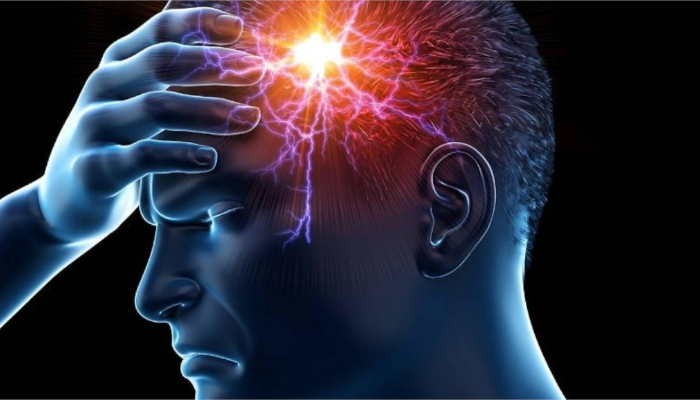
Headaches are one of the most common health complaints experienced by people of all ages. While most headaches are harmless and caused by stress, dehydration, or migraine, many people worry that a severe or persistent headache could be a sign of something more serious like a brain tumor.
Understanding the difference between a migraine headache and a headache caused by a brain tumor is important for early diagnosis and proper treatment. Although both conditions can cause significant pain, they differ in their symptoms, causes, and associated warning signs.
In this blog, we will explore the key differences between migraines and brain tumor headaches, their symptoms, diagnosis, and when you should seek medical attention.
A migraine is a neurological condition that causes intense, throbbing headaches often accompanied by other symptoms such as nausea and sensitivity to light or sound.
Migraines can last anywhere from a few hours to several days and can significantly affect daily activities.
Migraines may be triggered by several factors, including:
Migraines often run in families and can occur repeatedly over time.
Typical migraine symptoms include:
Although migraines can be extremely painful, they are not life-threatening in most cases.
A brain tumor occurs when abnormal cells grow uncontrollably in the brain. These tumors can increase pressure inside the skull, which may lead to headaches.
Unlike migraines, headaches caused by brain tumors are usually associated with additional neurological symptoms.
Headaches from brain tumors may gradually worsen over time and may not improve with regular pain medications.
A headache caused by a brain tumor may include:
These symptoms occur because the tumor puts pressure on different parts of the brain.
Understanding certain warning signs can help distinguish between the two conditions.
1. Nature of Pain
Migraine pain is typically throbbing and pulsating, often affecting one side of the head.
Brain tumor headaches are usually dull, persistent, and gradually worsening.
2. Frequency
Migraines occur in episodes and may disappear after treatment or rest.
Brain tumor headaches tend to become more frequent and severe over time.
3. Associated Symptoms
Migraines commonly include sensitivity to light, nausea, and visual aura.
Brain tumor headaches may be accompanied by seizures, weakness, personality changes, or balance problems.
4. Time of Occurrence
Migraines can occur at any time.
Brain tumor headaches are often worse in the morning due to increased pressure in the brain.
5. Response to Medication
Migraine headaches often improve with rest and medications.
Brain tumor headaches usually do not respond well to typical pain relievers.
While most headaches are not dangerous, certain warning signs require immediate medical attention.
You should consult a doctor if you experience:
These symptoms may indicate a neurological condition that needs urgent evaluation.
Doctors use several methods to determine the cause of a headache.
Diagnosis may include:
These tests help identify whether the headache is due to migraine or a structural problem in the brain.
Migraine Treatment
Migraine treatment focuses on reducing pain and preventing future attacks.
Common treatments include:
Brain Tumor Treatment
Treatment for brain tumors depends on the size, location, and type of tumor.
Options may include:
Early diagnosis significantly improves treatment outcomes.
Persistent headaches should never be ignored, especially when accompanied by neurological symptoms. Consulting a qualified neurosurgeon ensures accurate diagnosis and timely treatment.
If you are experiencing severe or unexplained headaches, consulting Dr. Sandeep B V, a leading brain and spine specialist in Bangalore, can help you receive expert evaluation and advanced treatment for neurological conditions.
Early medical attention can help prevent complications and ensure better long-term health.