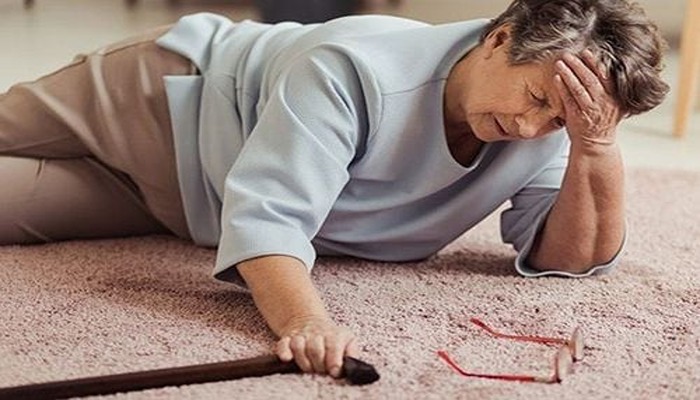
A stroke does not come with a warning bell. It strikes suddenly, often when people least expect it—during work, sleep, or routine daily activities. In India, stroke is one of the leading causes of long-term disability and death, largely because people fail to recognize symptoms early or delay seeking medical care.
This detailed November blog is written to help patients, caregivers, and families identify stroke symptoms early, understand what happens inside the brain during a stroke, and know what to expect from emergency care to long-term recovery.
A stroke occurs when blood supply to a part of the brain is reduced or completely blocked. Brain cells require a constant supply of oxygen and nutrients. When blood flow stops, brain cells begin to die within minutes.
Unlike many other organs, the brain cannot regenerate damaged tissue easily, which is why time is the most critical factor in stroke care.
1. Ischemic Stroke (Most Common)
2. Hemorrhagic Stroke
3. Transient Ischemic Attack (TIA)
⚠️ TIA should never be ignored.
Use this quick checklist to identify a stroke:
F – Face: One side drooping when smiling
A – Arms: Unable to raise one arm fully
S – Speech: Slurred, confused, or difficulty speaking
T – Time: Call emergency services immediately
Even one positive sign is enough to suspect a stroke.
Not all strokes present dramatically.
Many patients assume these are due to fatigue, acidity, or stress — this delay can cost precious brain cells.
When blood flow stops:
The longer the delay, the larger the area of permanent damage.
“Time is brain” — every minute matters.
DO:
✔ Call emergency services
✔ Note the time symptoms started
✔ Keep the person calm and lying on their side
✔ Loosen tight clothing
DO NOT:
✖ Give food or water
✖ Give medications without advice
✖ Wait for symptoms to pass
✖ Attempt home remedies
Step 1: Emergency Assessment
Step 2: Brain Imaging
Step 3: Treatment Decision
Early arrival significantly improves outcomes.
Recovery is a journey, not an overnight process.
Early Recovery Phase
Rehabilitation Phase
Emotional Recovery
Depending on severity, stroke may lead to:
With early rehabilitation, many patients regain independence.
✔ Monitor blood pressure regularly
✔ Control diabetes
✔ Quit smoking
✔ Limit alcohol intake
✔ Exercise at least 30 minutes daily
✔ Eat a heart-healthy diet
✔ Manage cholesterol levels
✔ Reduce stress
Prevention is always better than emergency care.
1. Can stroke occur without warning?
Yes. Many strokes occur suddenly without prior symptoms.
2. Is stroke painful?
Often no. Many strokes happen without pain.
3. Can stroke be reversed?
Some effects can be reversed if treatment is given early.
4. Can stroke happen during sleep?
Yes. These are called “wake-up strokes.”
5. Can a stroke be prevented completely?
Risk can be significantly reduced with lifestyle changes.
A stroke is not a condition to “wait and watch.”
Recognizing symptoms early and acting immediately can save life, brain function, and independence.
If you ever suspect a stroke — act FAST.