The brain is one of the most intricate and vital organs in the human body. Among the many conditions that can affect its function, hydrocephalus stands out due to its complexity and potential impact on life quality. Dr. Sandeep B.V, one of Bangalore’s leading neurosurgeons, sheds light on this condition, its symptoms, and the advanced treatments available today.
What is Hydrocephalus?
Hydrocephalus is a condition characterized by an abnormal buildup of cerebrospinal fluid (CSF) in the brain’s ventricles. CSF plays a vital role in cushioning the brain, delivering nutrients, and removing waste. However, when its flow is disrupted or absorption is impaired, it leads to increased pressure on the brain.
Hydrocephalus can affect individuals of all ages, but it is more commonly seen in:
- Infants and children (congenital hydrocephalus)
- Older adults (normal pressure hydrocephalus)
Types of Hydrocephalus
- Congenital Hydrocephalus:
Present at birth, often caused by genetic abnormalities or prenatal infections.
- Acquired Hydrocephalus:
Develops later in life due to head injuries, brain infections, or tumors.
- Normal Pressure Hydrocephalus (NPH):
Affects older adults and presents with symptoms like difficulty walking, memory loss, and urinary incontinence.
- Communicating vs. Non-Communicating Hydrocephalus:
- Communicating Hydrocephalus: CSF flows between ventricles but is not absorbed properly.
- Non-Communicating Hydrocephalus: A blockage prevents CSF flow between ventricles.
Symptoms of Hydrocephalus
The symptoms vary based on the patient's age and the severity of the condition:
In Infants
- Rapid head enlargement
- Bulging soft spots (fontanelles) on the skull
- Irritability and lethargy
- Seizures
In Older Children and Adults
- Headaches (especially in the morning)
- Nausea and vomiting
- Blurred or double vision
- Difficulty walking or balancing
- Cognitive changes
In Older Adults (NPH)
- Trouble walking, often described as a “magnetic gait”
- Dementia-like symptoms
- Loss of bladder control
Diagnosing Hydrocephalus
Accurate diagnosis is essential for effective treatment. A neurologist or neurosurgeon will use the following tools:
- Neurological Exam:
Evaluates symptoms such as reflexes, coordination, and cognitive function.
- Imaging Tests:
- MRI (Magnetic Resonance Imaging): Offers detailed images of the brain and CSF flow.
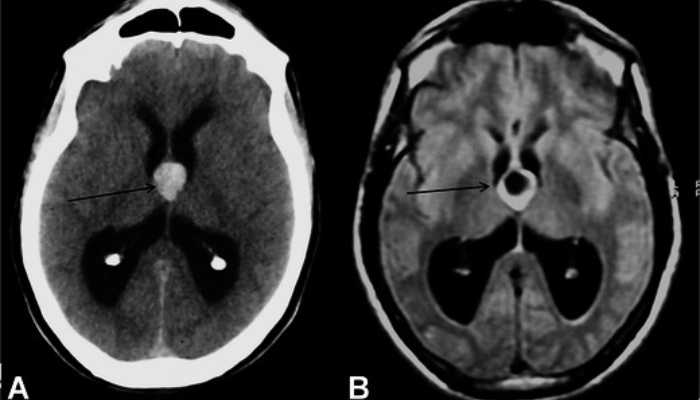
- CT (Computed Tomography) Scan: Identifies enlarged ventricles.
- Lumbar Puncture:
Measures CSF pressure and evaluates its composition.
Treatment Options for Hydrocephalus
Hydrocephalus is treatable, and advancements in neurosurgery have made procedures safer and more effective.
- Ventriculoperitoneal (VP) Shunt Surgery
The most common treatment, this involves placing a thin tube (shunt) to redirect CSF from the brain’s ventricles to another part of the body, such as the abdomen. The shunt system includes a valve to regulate fluid flow.
- Endoscopic Third Ventriculostomy (ETV)
A minimally invasive procedure where a small opening is made in the floor of the third ventricle, allowing CSF to bypass the obstruction and flow normally.
- Shunt Revisions and Monitoring
Shunt systems require periodic monitoring and, occasionally, adjustments or replacements.
- Medications and Supportive Care
While surgery is often necessary, medications may be used to manage symptoms or reduce fluid buildup temporarily.
Why Choose Dr. Sandeep B.V for Hydrocephalus Treatment?
- Expertise in Complex Neurosurgical Conditions:
Dr. Sandeep’s extensive experience ensures precise diagnosis and treatment.
- Advanced Techniques:
His proficiency in minimally invasive procedures like ETV reduces recovery time and improves patient outcomes.
- Comprehensive Care:
Dr. Sandeep provides personalized care plans, addressing both the physical and emotional needs of his patients.
Living with Hydrocephalus
Early diagnosis and treatment can significantly improve the quality of life for individuals with hydrocephalus. With proper care, many patients go on to lead normal, productive lives.
Tips for Managing Hydrocephalus:
- Regular follow-ups with a neurosurgeon.
- Staying alert for signs of shunt malfunction (e.g., headaches, fever, or confusion).
- Maintaining a healthy lifestyle to support brain health.
Conclusion
Hydrocephalus is a challenging condition, but with advances in neurosurgery and expert care from specialists like Dr. Sandeep B.V, there is hope for effective management and recovery. If you or a loved one are experiencing symptoms of hydrocephalus, don’t wait—consult Dr. Sandeep for expert evaluation and treatment in Bangalore.
Your brain health is invaluable. Take the first step toward recovery today.