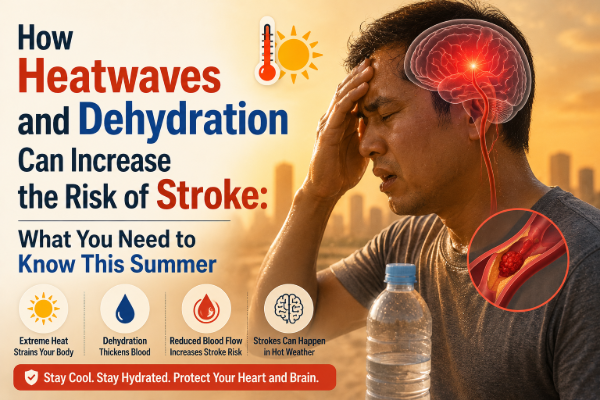
Summer is a season of vacations, outdoor activities, and longer days. However, rising temperatures also bring health risks that many people underestimate. While most people associate heat with dehydration or heat exhaustion, few realize that prolonged exposure to extreme heat can significantly increase the risk of stroke, especially in older adults and individuals with underlying medical conditions.
Every year, hospitals report an increase in heat-related emergencies during the summer months. Dehydration, electrolyte imbalance, and heat stress can affect blood circulation, placing additional strain on the heart and brain. For people already living with high blood pressure, diabetes, obesity, or heart disease, these conditions may increase the likelihood of developing a stroke.
Understanding the relationship between heatwaves and brain health can help individuals take preventive measures and seek medical attention without delay.
A stroke occurs when the blood supply to a part of the brain is interrupted or reduced, preventing brain tissue from receiving oxygen and nutrients. Within minutes, brain cells begin to die, making stroke a medical emergency that requires immediate treatment.
There are two main types of stroke:
Ischemic Stroke
This is the most common type and occurs when a blood clot blocks an artery supplying the brain.
Hemorrhagic Stroke
This occurs when a blood vessel in the brain ruptures, causing bleeding within or around the brain.
Both conditions require urgent diagnosis and treatment to minimize permanent brain damage.
Extreme heat affects the body in several ways, many of which can contribute to stroke.
1. Dehydration Thickens the Blood
When the body loses water through excessive sweating, blood becomes more concentrated and thicker. Thick blood flows less efficiently and is more likely to form clots that can block blood vessels supplying the brain.
2. Drop in Blood Pressure
Dehydration may lower blood pressure, reducing blood flow to vital organs, including the brain. This can lead to dizziness, fainting, and in some cases, increase the risk of ischemic stroke.
3. Increased Heart Strain
The heart works harder during hot weather to regulate body temperature. This additional strain can be particularly dangerous for people with heart disease or irregular heart rhythms.
4. Electrolyte Imbalance
Excessive sweating causes the body to lose sodium, potassium, and other electrolytes that are essential for proper nerve and muscle function. Severe imbalance may affect neurological function and overall circulation.
Although anyone can become dehydrated, certain groups face a significantly higher risk of heat-related stroke.
These include:
Recognizing stroke symptoms early can save a life.
Remember the acronym BE FAST:
B – Balance: Sudden loss of balance or coordination.
E – Eyes: Sudden blurred or loss of vision.
F – Face: One side of the face droops.
A – Arms: Weakness or numbness in one arm.
S – Speech: Slurred speech or difficulty speaking.
T – Time: Time is critical. Seek emergency medical care immediately.
Never ignore these warning signs, even if they disappear within a few minutes.
Heat exhaustion may occur before heat stroke or other serious complications.
Common symptoms include:
Prompt hydration and cooling measures are essential.
Although their names sound similar, they are completely different conditions.
Heat Stroke
Brain Stroke
In some cases, severe heat stroke may indirectly increase the risk of developing a brain stroke.
Simple lifestyle measures can significantly reduce the risk of heat-related complications.
Stay Hydrated
Drink water regularly throughout the day, even if you do not feel thirsty.
Avoid Peak Sun Hours
Limit outdoor activities between 11 AM and 4 PM.
Wear Lightweight Clothing
Loose-fitting, light-colored clothing helps regulate body temperature.
Monitor Blood Pressure
Patients with hypertension should continue regular monitoring during hot weather.
Eat Water-Rich Foods
Include fruits and vegetables such as watermelon, cucumber, oranges, and tomatoes.
Limit Alcohol and Excess Caffeine
These beverages may contribute to dehydration.
Continue Prescribed Medications
Never stop blood pressure, diabetes, or blood-thinning medications without medical advice.
Seek immediate medical attention if you or someone around you experiences:
Timely treatment can significantly improve recovery and reduce permanent disability.
While not all strokes are preventable, maintaining a healthy lifestyle greatly lowers the risk.
Important preventive measures include:
The first few hours after a stroke are often called the “golden period.” Prompt medical intervention can restore blood flow, reduce brain damage, and improve the chances of recovery.
Delaying treatment may result in permanent disability, speech impairment, paralysis, or even loss of life.
Summer should be a season of enjoyment, not medical emergencies. While rising temperatures cannot be avoided, understanding how heat and dehydration affect the brain can help you take preventive steps.
Drink enough water, avoid prolonged exposure to extreme heat, recognize the warning signs of stroke, and never delay seeking emergency medical care if symptoms occur. Protecting your brain health today can prevent life-changing complications tomorrow.
1. Can dehydration cause a stroke?
Dehydration can make blood thicker and increase the likelihood of clot formation, particularly in individuals with existing cardiovascular risk factors.
2. Who is most vulnerable to heat-related stroke?
Older adults, people with diabetes, high blood pressure, heart disease, previous stroke, and those working outdoors are at higher risk.
3. How much water should I drink during summer?
The amount varies by age, activity level, and health conditions, but regular hydration throughout the day is essential. People with kidney or heart disease should follow their doctor’s advice.
4. What are the first warning signs of a stroke?
Sudden facial drooping, arm weakness, speech difficulty, loss of balance, or vision changes are common early signs.
5. Can young people get a stroke in hot weather?
Although less common, dehydration, severe heat stress, and certain medical conditions can increase stroke risk even in younger adults.
6. When should I seek emergency medical care?
Immediately if you notice any symptoms of stroke. Early treatment can greatly improve outcomes.