Headaches, dizziness, memory lapses, or vision problems are often blamed on stress, lack of sleep, or screen overuse. While most causes are harmless, in rare cases these symptoms may signal a brain tumor.
In India, thousands of people are diagnosed with brain tumors each year, and delayed diagnosis remains a major challenge. Awareness plays a critical role in identifying warning signs early and improving outcomes.
This October blog focuses on educating patients and caregivers about brain tumors — what they are, how they present, how they are diagnosed, and what modern treatment options are available today.
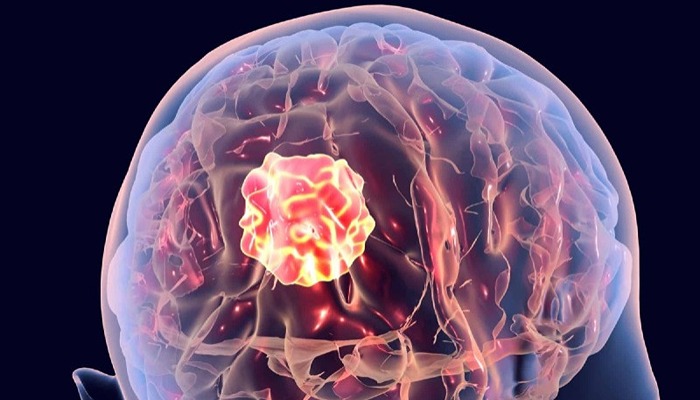
A brain tumor is an abnormal growth of cells within the brain or surrounding structures. Tumors can develop in the brain tissue itself or spread from other parts of the body.
Types of Brain Tumors
Not all brain tumors are life-threatening, but all require medical evaluation.
❌ Myth 1: Brain tumors always cause severe headaches
✔ Truth: Headaches may be mild or absent in early stages.
❌ Myth 2: Brain tumors affect only older people
✔ Truth: They can occur at any age, including children.
❌ Myth 3: All brain tumors are cancerous
✔ Truth: Many brain tumors are benign and treatable.
❌ Myth 4: Surgery is always dangerous
✔ Truth: Advances in neurosurgery have significantly improved safety and outcomes.
Symptoms depend on the tumor’s location and size.
Neurological Symptoms
Sensory & Motor Symptoms
Hormonal & Systemic Symptoms
Early recognition leads to earlier diagnosis and better treatment outcomes.
Step 1: Neurological Examination
Step 2: Imaging Studies
Step 3: Advanced Diagnostic Tools
Accurate diagnosis helps tailor the most effective treatment plan.
Treatment depends on:
Surgical Treatment
Radiation Therapy
Chemotherapy & Targeted Therapy
Observation (Watchful Waiting)
Recovery is not just physical — it’s neurological and emotional.
Rehabilitation May Include:
Many patients return to independent, productive lives with proper follow-up and care.
Consult a specialist immediately if you experience:
Early evaluation can be life-saving.
1. Are all brain tumors fatal?
No. Many brain tumors are treatable and manageable.
2. Can brain tumors be cured?
Some can be completely cured; others can be controlled long-term.
3. Is surgery the only option?
No. Treatment may involve surgery, radiation, medication, or observation.
4. Can stress cause brain tumors?
No scientific evidence links stress directly to brain tumors.
5. Are brain tumors hereditary?
Most are not inherited, though rare genetic conditions exist.
Brain tumors are serious but not always hopeless. Early awareness, timely diagnosis, and modern treatment have transformed outcomes for many patients.
Understanding symptoms and seeking medical care early can make a significant difference.