Expert Spine Care by Dr. Sandeep – Leading Neuro & Spine Surgeon in Bangalore
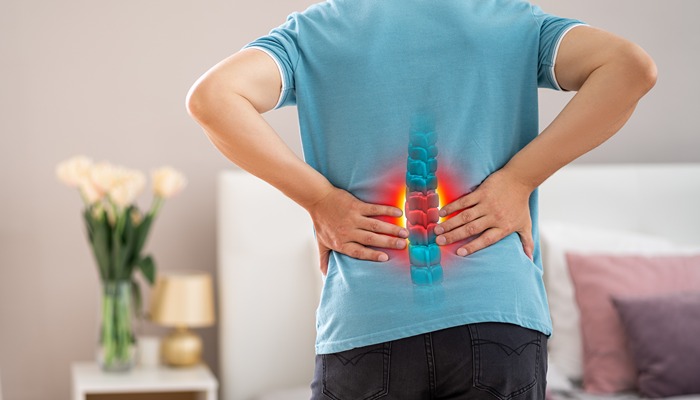
Lower back pain is no longer limited to older adults. In fast-paced urban cities like Bangalore, Mysore, Chennai, Hyderabad, and across Karnataka, people as young as 25–30 years are reporting chronic back pain, leg pain, and nerve-related symptoms. One of the most common underlying causes is Lumbar Disc Herniation, often referred to as a slipped disc.
A lumbar disc herniation can significantly affect mobility, work productivity, and quality of life if not treated on time. With advancements in neurosurgery and minimally invasive spine procedures, patients today have access to safer, faster, and more effective treatment options.
This detailed guide by Dr. Sandeep, an experienced Neuro & Spine Surgeon in Bangalore, explains everything you need to know — from causes and symptoms to diagnosis, treatment options, recovery, and prevention.
The lumbar spine consists of five vertebrae (L1–L5) located in the lower back. Between each vertebra lies a spinal disc, which acts as a shock absorber.
Each disc has:
When the outer layer weakens or tears, the inner core bulges out and presses against nearby spinal nerves, leading to pain and neurological symptoms.
A lumbar disc herniation occurs when disc material protrudes or ruptures into the spinal canal, irritating or compressing spinal nerves. This commonly affects levels L4-L5 and L5-S1, which bear maximum body weight.
Common Names:
📍 This condition is increasingly diagnosed among working professionals, IT employees, drivers, and homemakers across Bangalore and South India.
Several factors contribute to disc herniation:
1. Age-Related Degeneration
As we age, spinal discs lose hydration and elasticity, making them more prone to rupture.
2. Poor Posture
Prolonged sitting with incorrect posture — especially common in office workers — increases disc pressure.
3. Heavy Lifting & Sudden Strain
Improper lifting techniques or sudden twisting movements can cause disc injury.
4. Obesity
Excess body weight puts added stress on the lumbar spine.
5. Sedentary Lifestyle
Weak core muscles fail to support the spine effectively.
6. Smoking
Smoking reduces blood supply to spinal discs, accelerating degeneration.
Symptoms depend on the severity and location of nerve compression.
🔹 Common Symptoms
🚨 Red-Flag Symptoms (Medical Emergency)
Immediate consultation with a neurosurgeon or spine specialist in Bangalore is crucial in such cases.
Accurate diagnosis is key to effective treatment.
🩺 Clinical Evaluation
🧪 Imaging Investigations
Clearly shows disc herniation, nerve compression, and spinal canal narrowing.
Helps rule out fractures or spinal alignment issues.
Used when MRI is not possible.
Most patients recover without surgery.
1. Medication Management
2. Physiotherapy
3. Lifestyle Modifications
4. Epidural Steroid Injections
Used in select cases to reduce nerve inflammation and pain.
👉 About 70–80% of patients improve with conservative care under expert supervision.
Surgery is recommended when:
🔹 Microdiscectomy
A minimally invasive procedure where the herniated disc fragment is removed using microscopic precision.
Benefits:
🔹 Endoscopic Spine Surgery
Performed through a tiny camera-guided incision, offering even quicker recovery.
These advanced procedures are routinely performed by Dr. Sandeep, Neuro & Spine Surgeon in Bangalore, with excellent outcomes.
Post-Treatment Timeline
Week 1–2
Week 3–6
Week 6–12
3–6 Months
1. Is a slipped disc permanent?
No. Many cases heal with conservative treatment and lifestyle changes.
2. Can walking help a slipped disc?
Yes. Gentle walking improves blood circulation and healing.
3. How long does a slipped disc take to heal?
Mild cases heal in 4–6 weeks; severe cases may take longer.
4. Is surgery risky?
Modern minimally invasive spine surgery is safe when performed by an experienced neurosurgeon.
5. Can disc herniation recur?
Recurrence is rare when proper rehabilitation and precautions are followed.
6. Which doctor should I consult for slipped disc?
A Neuro & Spine Surgeon is best suited for evaluation and treatment.
Lumbar disc herniation can disrupt daily life, but with early diagnosis and expert care, complete recovery is achievable. Whether through conservative management or advanced minimally invasive surgery, the goal is always pain relief, nerve protection, and long-term spine health.
If you are experiencing persistent back pain or sciatica, consult Dr. Sandeep, leading Neuro & Spine Surgeon in Bangalore, for accurate diagnosis and personalized treatment.